


Solar & Clean Energy FAQ Guide
April 28, 2026
This Solar FAQ resource was developed to help Philadelphia-area residents, businesses, and community organizations better access and understand the opportunities and challenges around going solar. It was made possible with support from the Clean Energy Group through the Clean Energy Incentive Navigator Program, which helps communities access clean energy resources and guidance.
Getting Started
A. Solar power can significantly reduce electricity bills, increase property value, allow you to have energy independence, and access renewable back up power. Also, you will contribute to protecting our planet by not depleting natural resources! Solar States can provide you with a quote, connect you with tax and financing incentives, and provide you with resources about the different types of solar systems.
A. Becoming solar-ready means preparing your building to support a solar energy system now or in the future. Start by evaluating your roof condition: solar panels typically last 25+ years, so your roof should be in good shape with minimal shading. If you’re unsure, schedule a solar assessment through Solarize Greater Philadelphia, a citywide program run by the Philadelphia Energy Authority that offers free evaluations and connects you with vetted installers. Next, ensure your electrical infrastructure is up to date; an electrician can tell you if your panel can handle new equipment or needs an upgrade. You should also gather documentation like utility bills, building plans, and any zoning or historic district restrictions, especially if you’re in a preservation area. Finally, talk to neighbors or peer institutions that have gone solar—local groups like Solar States or GRID Alternatives often work with schools, houses of worship, and small businesses and can offer real-world guidance. Taking these steps now can lower your installation costs later and make you eligible for incentives when you’re ready to go solar.
A. When figuring out the right size of solar for your building, you can use Google’s Project Sunroof which will give you an estimate of available sq ft for solar, net savings, and hours of usable sunlight per year. To get started on the process for commercial accounts the PA Solar Center can help you navigate your solar journey and answer questions. For everyone else check out Solarize Greater Philadelphia to get help figuring out what size of solar is right for you.
Costs & Financing
A. If you’re a small business, nonprofit, house of worship, or school in Philadelphia exploring how to fund a solar project, there are a variety of incentives and financing models available to help you move forward. One of the most significant tools is the Inflation Reduction Act’s (IRA) Direct Pay, which allows tax-exempt entities like nonprofits, public schools, and houses of worship to access the 30% federal solar tax credit as a cash payment, without needing tax liability. This “elective pay” option can be further enhanced with adders (up to 20%) if the project meets criteria such as being in a low-income census tract, using domestic content, or being part of an energy community. For for-profit businesses, the traditional Investment Tax Credit (ITC) still applies, offering a 30% deduction from tax liability, with the potential to roll over unused portions. More information can be found in the IRS elective pay guidance and updates to the ITC can be found in this blog post.
In addition to federal tax credits, PECO offers a local solar rebate of $0.10 per kilowatt hour for the first year of production for commercial properties. Residential projects are eligible for a $500 rebate from PECO. To qualify, applicants must apply within 90 days of their PECO interconnection approval. Solar installers can assist with the application process. State-level support may also be available through periodic grant programs from the PA Department of Environmental Protection (DEP), including the Alternative Clean Energy Program and the Small Business Advantage Grant. Check PA DEP’s energy programs page for current opportunities.
To finance the remaining costs of the system, many organizations consider creative financing models. One popular option is a Power Purchase Agreement (PPA), where a solar developer installs, owns, and maintains the system, and the host site purchases the electricity at a discounted rate. This allows schools and nonprofits to avoid upfront capital costs while still benefiting from clean energy. Local developers may offer PPAs, and programs like Solarize Greater Philadelphia, run by the Philadelphia Energy Authority (PEA), help connect institutions with vetted contractors and group-buying discounts.
Another option is Commercial Property Assessed Clean Energy (CPACE) financing, which allows commercial and nonprofit property owners to fund solar installations with long-term, low-cost financing repaid via a property tax assessment. Learn more at philadelphiacpace.org.
Additional support may come from local green banks and missiondriven lenders. The Philadelphia Green Capital Corp (PGCC) provides concessional capital to support clean energy investments and may partner with solar developers to bridge funding gaps. Community development financial institutions (CDFIs) like PIDC, The Reinvestment Fund, and Enterprise Community Partners also offer energy-focused lending to nonprofits and small businesses.
Electricity rates are on the rise and not projected to stop anytime soon, switching to solar can help you save. Altogether, the combined use of these incentives, loans, and rebates can dramatically reduce the cost of solar and make it accessible for mission-driven organizations. To get started, organizations can request a free feasibility assessment through Solarize Greater Philly
A. One common solution for having solar installed on your home or business without a high upfront cost is to lease a solar array from a solar provider. Solar leasing often has minimal upfront costs, maintenance solutions in contracts and fixed monthly payments. To find out if solar leasing is right for your business, the PA Solar Center can conduct a financial study at no cost to you for commercial projects, and other projects should reach out to Solarize Philadelphia for support.
A. If you install solar in Philadelphia, you can earn Solar Renewable Energy Credits (SRECs)—certificates representing every 1,000 kWh of electricity your system produces. These SRECs can be sold for cash, providing ongoing income to help offset your solar investment. In Pennsylvania, utilities are required to buy SRECs to meet clean energy goals, and prices typically range from $30 to $45 per credit, though they fluctuate. Most solar owners use platforms like SRECTrade, Sol Systems, or Knollwood Energy to manage sales, though you can also register your system and sell credits directly through the PJM-GATS tracking system. SREC income is taxable and must be reported. While the New Jersey SREC market pays more, Pennsylvania-based systems must sell into the PA market. Many solar owners apply this income toward loan payments or reinvest it in energy upgrades.
You can also donate your SRECs to support clean energy access and climate justice. Organizations like GRID Alternatives Mid-Atlantic and the Philadelphia Energy Authority (PEA) may be able to accept donated SRECs or direct them toward programs like Share the Sun. You can also transfer SRECs to advocacy groups such as PennFuture or the Clean Air Council, which support renewable energy policy in Pennsylvania. Another option is to donate your SRECs to a local nonprofit, school, or house of worship installing solar to help improve their project’s financial return. To donate, you’ll need to transfer ownership through your broker or directly via PJM GATS, and while donations may not always be tax-deductible, they can support meaningful local impact.
Technical & Resilience
A. Please refer to the below infographic:
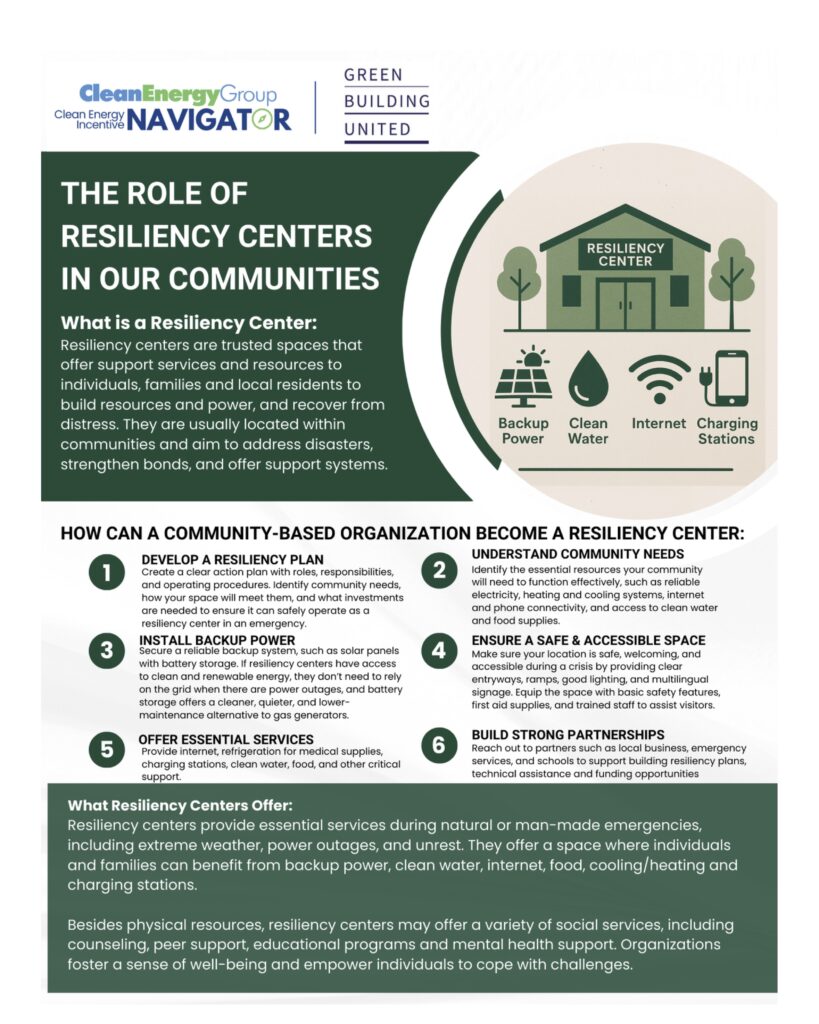
A. Emergency Backup Power systems are required for many different kinds of buildings. These include malls, medical facilities, high-rises, and certain government buildings. These systems help ensure lifesaving equipment is operable even in an emergency or a grid black or brownout. While many buildings are required to have these systems, individual homeowners and businesses can decide to incorporate these systems into their own homes and buildings.
Battery backup power is becoming increasingly more common. They produce fewer harmful noises and fumes. Have more straightforward install instructions. Can connect directly to an on-site solar system and can supply uninterruptible power to equipment. Consider an emergency backup power system if you live in a home or community with someone who requires electricity for medical equipment. This could include everything from fridges for diabetes medication or a powered wheelchair. Also, suppose you would like to help those during a power outage, such as using a multi-purpose room during a heatwave. In that case, you may be interested in keeping these spaces powered using an emergency backup power system. The most common types of backup power systems in these cases are manual gasoline generators, but battery power is better for the environment. These generators can be configured to turn on automatically in the event of an outage, and can last as long as fuel is supplied. They do, however, emit exhaust fumes, have a 10-15 minute start-up period, and repairs can get expensive. Additionally, if relying on a natural gas generator from a utility, they will not operate without some electric input.
Policy & Incentives
A.The U.S. government has recently made changes that could affect the price and availability of solar panels and equipment in the Philadelphia area. Tariffs (import taxes) on certain products from countries like China and Russia may raise the cost of solar panels by about 10–15% and battery systems by up to 25%. This could also cause delays as installers adjust their supply chains, sometimes turning to other countries or U.S. manufacturers. Separately, a new federal rule called the Foreign Entity of Concern (FEOC) could impact which projects qualify for Inflation Reduction Act tax credits. Under this rule, projects using panels or parts from certain countries may not be eligible for these incentives. Guidance on how the FEOC will be applied is still evolving, and more clarity is expected soon.
What does this mean locally? If you are considering solar, you may see higher equipment costs and longer wait times as the market adapts. To protect your investment:
- Ask your installer where panels and parts are manufactured.
- Request written confirmation that your system will meet FEOC rules so it remains eligible for federal incentives.
- Stay flexible with timing in case equipment is delayed.
- Consult a tax professional to understand how tariffs and FEOC may affect your project’s savings.
Installation & Case Studies
For suppliers and installers, it’s important to keep good records on the source of all parts, look for new suppliers in compliant countries, and let customers know early about any cost or timing changes. While these changes create some short-term challenges, they also offer opportunities. Higher tariffs could lead to more solar manufacturing in the U.S., which would strengthen our domestic supply chain and create green jobs here in the Philadelphia region.
A. According to PA solar center; Net metering allows you to produce extra electricity that you don’t use and place that on the grid for someone else to use. This situation will make your electric meter run backward and the utility will provide you credit for producing extra on your electric bill. In essence, the grid is acting like your battery backup. See previous question for more details about the month-to-month crediting and banking of solar generated. Resource: https://pasolarcenter.org/get-solar/frequently-askedquestions/
A. Community Solar, also known as shared solar, is a large, central solar power plant whose electricity is shared by multiple properties. These projects generate and distribute renewable electricity for the grid. Solar subscribers then purchase a share of this energy (usually at a discount) to offset their power bill. As a subscriber, you receive credits towards your monthly electric bill for any energy you buy from the project, reducing what you owe your utility company.
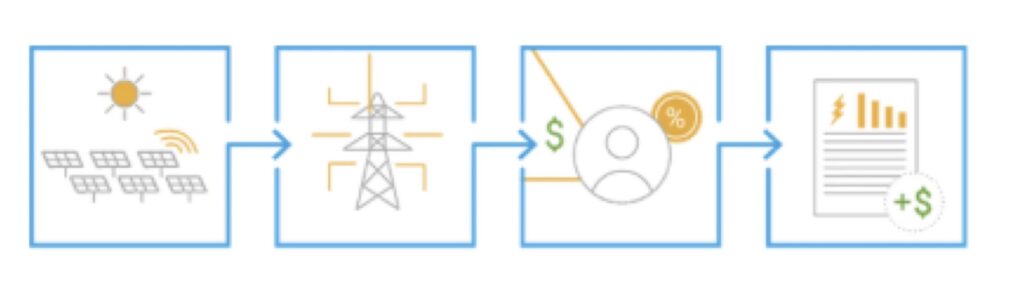
Source: energysage.com
As of June 2025, community solar is not available in PA. Keep track of the HB 504 Community Energy Bill at oursolarpa.org
A. The PA Solar Center and Solarize Greater Philadelphia are working to streamline access to vetted solar installers Use this map to ensure you are working with a qualified company. Find a Solar Contractor | The Pennsylvania Solar Center. If you have a preferred contractor use these resources from the Solar Energy Industries Association SEIA to ensure you know what is in your contract – Resources for Solar Customers – SEIA
A. You can find more examples of these projects using our case study database.


